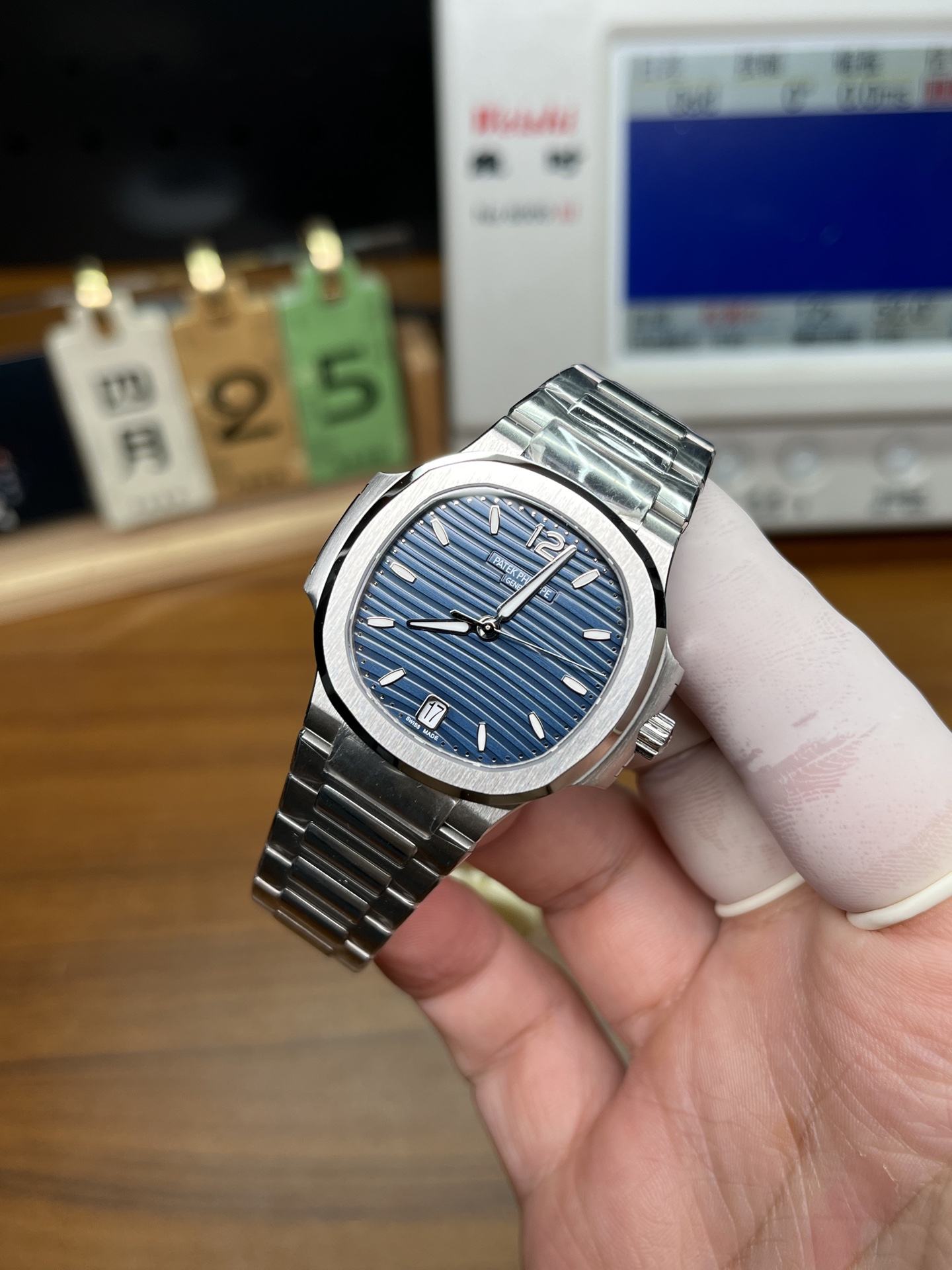
A Real Buyer’s Perspective on Patek Philippe replica Watches
In my experience, buying a Patek Philippe replica is less about chasing perfection and more about understanding compromise. Most buyers come in expecting a 1:1 miracle at a fraction of the price. That expectation alone is where many go wrong.
What you’re actually getting is a combination of visual accuracy, movement approximation, and factory execution. The problem is that many sellers only emphasize how close the watch looks in photos. What they don’t explain is how that translates into daily wear. A replica can look perfect under studio lighting and still feel off on the wrist after a week.
One thing I’ve seen repeatedly is buyers focusing too much on brand prestige and too little on factory consistency. A well-made Nautilus or Calatrava replica can hold up surprisingly well if sourced from the right factory. But the same model from a lower-tier producer can feel cheap within days.
If you're browsing options like 1:1 Richard Mille, you’ll notice a similar pattern. High-end replicas are less about the brand and more about execution. The same applies here.
The real question is not “Is this a good replica?” but “Is this specific version worth buying based on how I’ll actually use it?”
Understanding the 5078 Movement: What It Is and Why It Matters
The 5078 movement is one of those terms you’ll see thrown around often, especially in higher-end replica Patek models. But most buyers don’t fully understand what it means.
What the 5078 Clone Actually Is
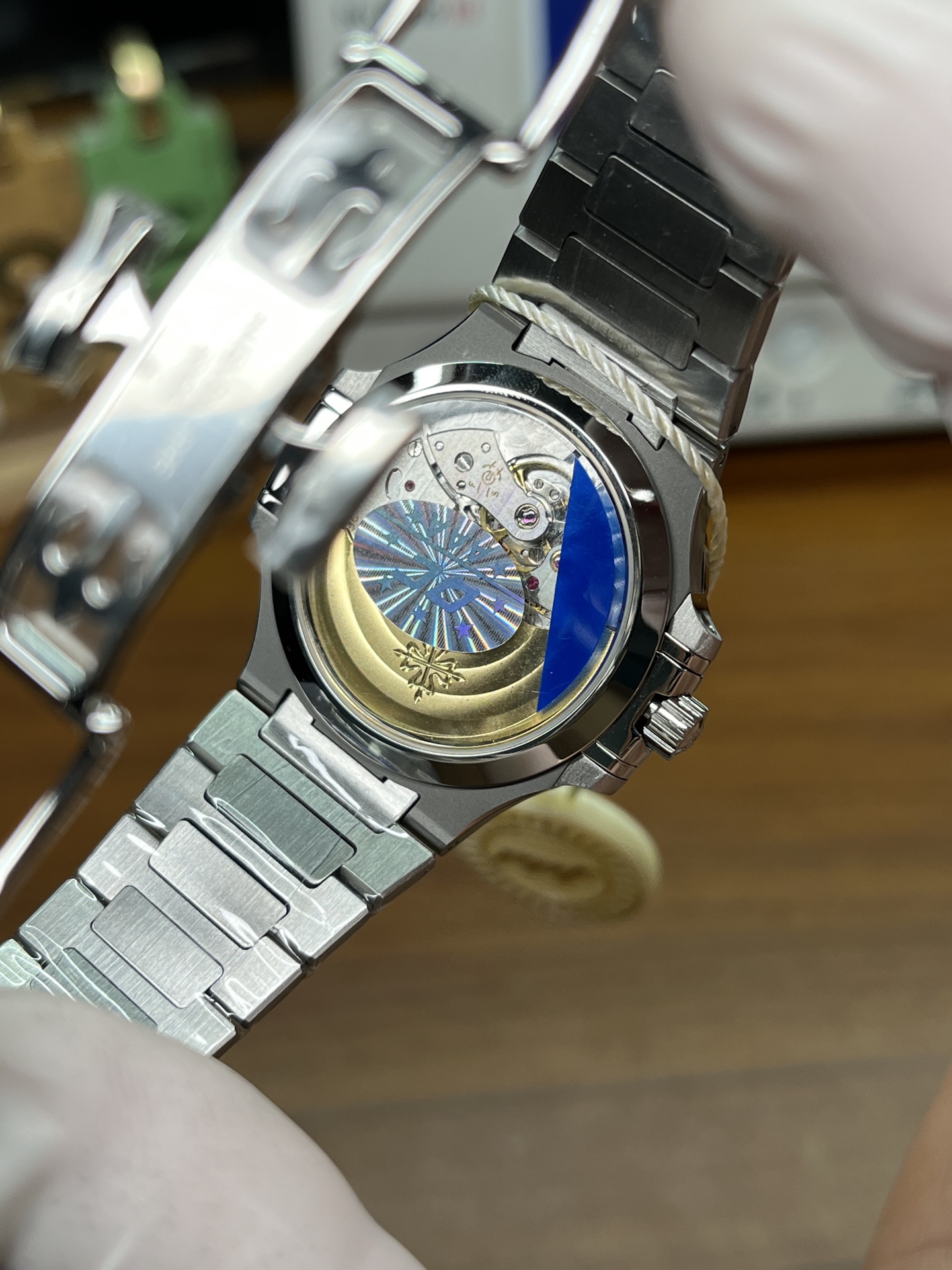
The so-called 5078 clone is not a true 1:1 replication of the original Patek Philippe caliber. Structurally, it borrows the layout concept but is built on a modified base, often derived from Asian automatic movements like the Miyota 9015 or a customized Chinese caliber.
This means the bridge layout and rotor design are visually aligned to mimic the original, but internally, the gear train and finishing are simplified.
Why It’s Not a True 1:1 Clone
A genuine Patek movement is hand-finished, with intricate anglage and Geneva stripes that are extremely difficult to replicate at scale. The 5078 clone attempts to replicate the look, but not the craftsmanship.
From what I’ve seen, the biggest giveaway isn’t even the finishing. It’s the thickness and the sound. The rotor tends to be louder, and the winding feel is less refined.
Real-World Impact
So what does this mean for you?
- Power reserve typically ranges between 40–48 hours
- Accuracy is decent but not chronometer-level
- Servicing is possible but not always worth the cost
In daily use, the movement is reliable enough if you’re not expecting luxury-level performance. But if you’re the kind of buyer who notices small mechanical details, this is where expectations need adjustment.
Comparing 5078 With Other Common Replica Movements
When deciding on a replica Patek Philippe watches option, it’s useful to compare the 5078 with other commonly used movements.
5078 vs Miyota 9015-Based Builds
The Miyota 9015 is widely used due to its reliability. Compared to the 5078 clone:
- The 9015 is more stable over time
- Easier to service globally
- Slightly noisier rotor
However, visually, it doesn’t match the Patek aesthetic unless heavily modified.
5078 vs Asian 2824/2836
These ETA-based clones are older but proven.
- More robust for long-term use
- Less visually accurate for display casebacks
- Shorter power reserve in some builds
So Which One Is Better?
In my experience, the 5078 is better if you care about appearance through a sapphire caseback. But if you care about longevity and ease of repair, the 2824/2836 variants are safer.
This is where many buyers make a mistake: choosing based on specs instead of usage. Specs don’t matter if the watch sits in a drawer after a month.
Common Buyer Mistakes You Should Avoid
Mistake #1: Assuming All Factories Are Equal
One of the biggest misconceptions is that all replica Patek Philippe watches come from similar production standards. They don’t.
Factories like ZF, PPF, and 3KF have very different strengths. For example:
- ZF tends to excel in dial details
- PPF focuses on case finishing
- 3KF is known for movement improvements
Buying without knowing the factory is like buying a car without knowing the brand.
Mistake #2: Overvaluing Movement Specs
Another common issue is buyers obsessing over movement details like “72-hour power reserve” or “super clone.”
The reality is, most users won’t notice the difference between 40 and 60 hours. What they will notice is:
- How the watch feels on the wrist
- Whether it keeps reasonable time
- How often it needs adjustment
This leads directly into a deeper point.
Why Movement Specs Are Overrated for Most Buyers
This is something I’ve learned after owning multiple replicas.
What Buyers Think Matters
Most people believe:
- Longer power reserve = better watch
- More complex movement = higher quality
What Actually Matters
In real use:
- Stability matters more than complexity
- Simpler movements tend to last longer
- Serviceability is often overlooked
A complex 5078 clone might look impressive, but if it fails after a year and costs half the watch price to repair, it’s not a smart buy.
So What Should You Focus On?
- Case finishing
- Dial accuracy
- Bracelet comfort
Those are the things you interact with daily.
If you're also exploring alternatives like replica rolex, you’ll notice Rolex replicas often prioritize durability over visual movement accuracy. That’s a different philosophy entirely.
Wrist Test vs Macro Test: The Reality Gap
This is something I rarely see discussed, but it’s critical.
Macro Test (What You See Online)
Photos zoom in on:
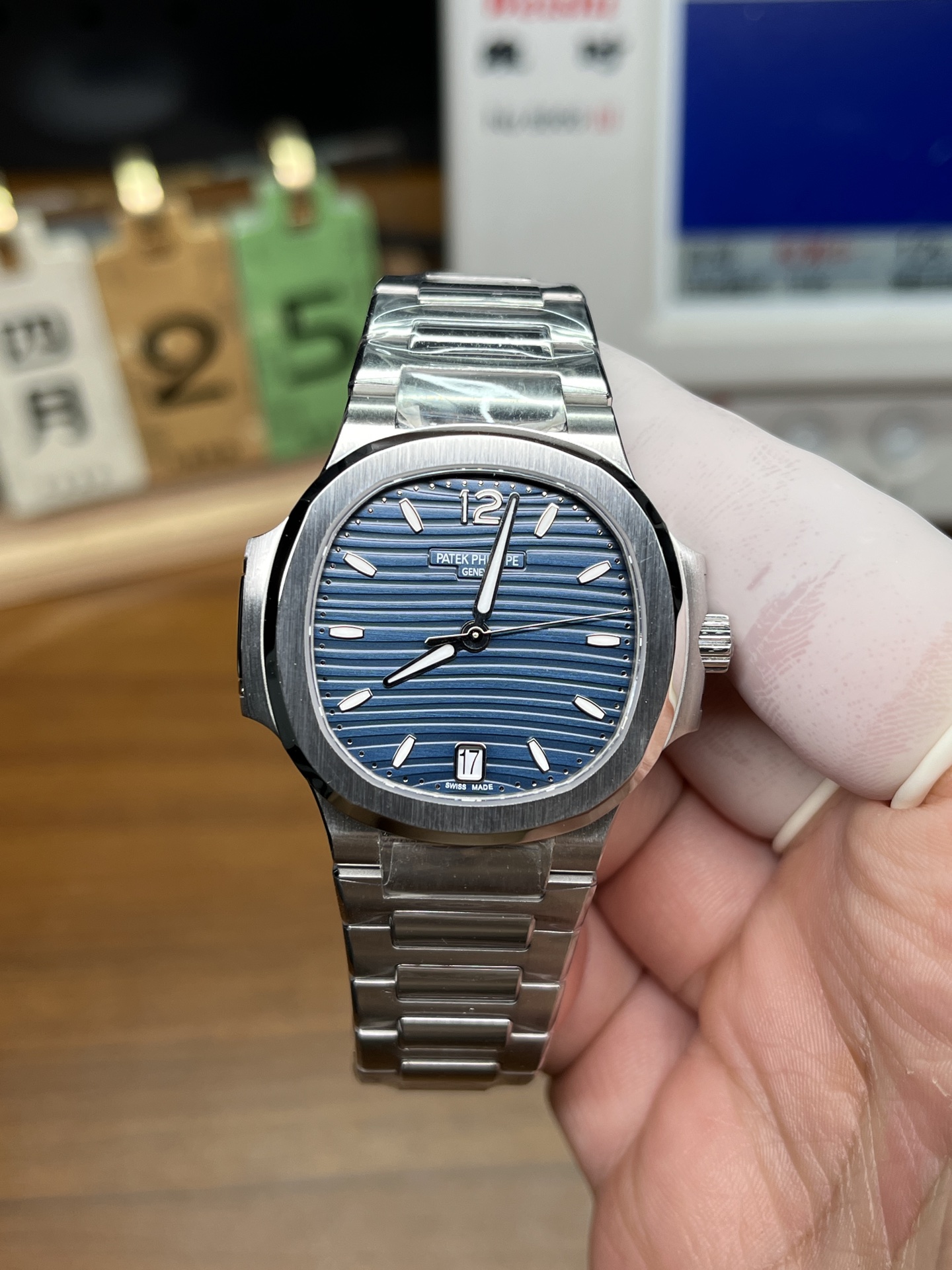
- Dial printing
- Hand alignment
- Movement decoration
At this level, many fake Patek Philippe options look nearly identical to the real thing.
Wrist Test (What You Actually Experience)
On the wrist, different factors emerge:
- Weight distribution
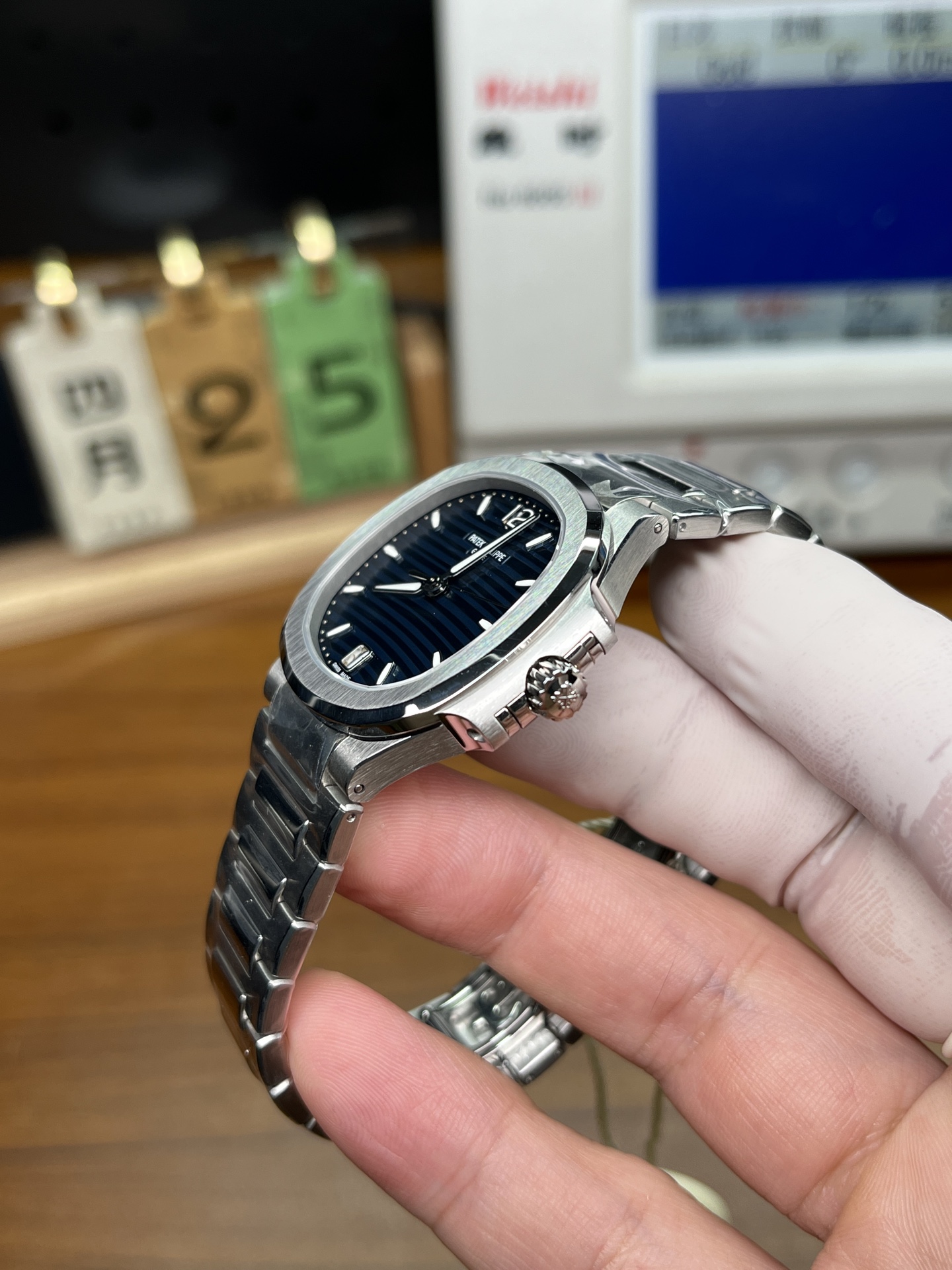
- Crown feel when adjusting time
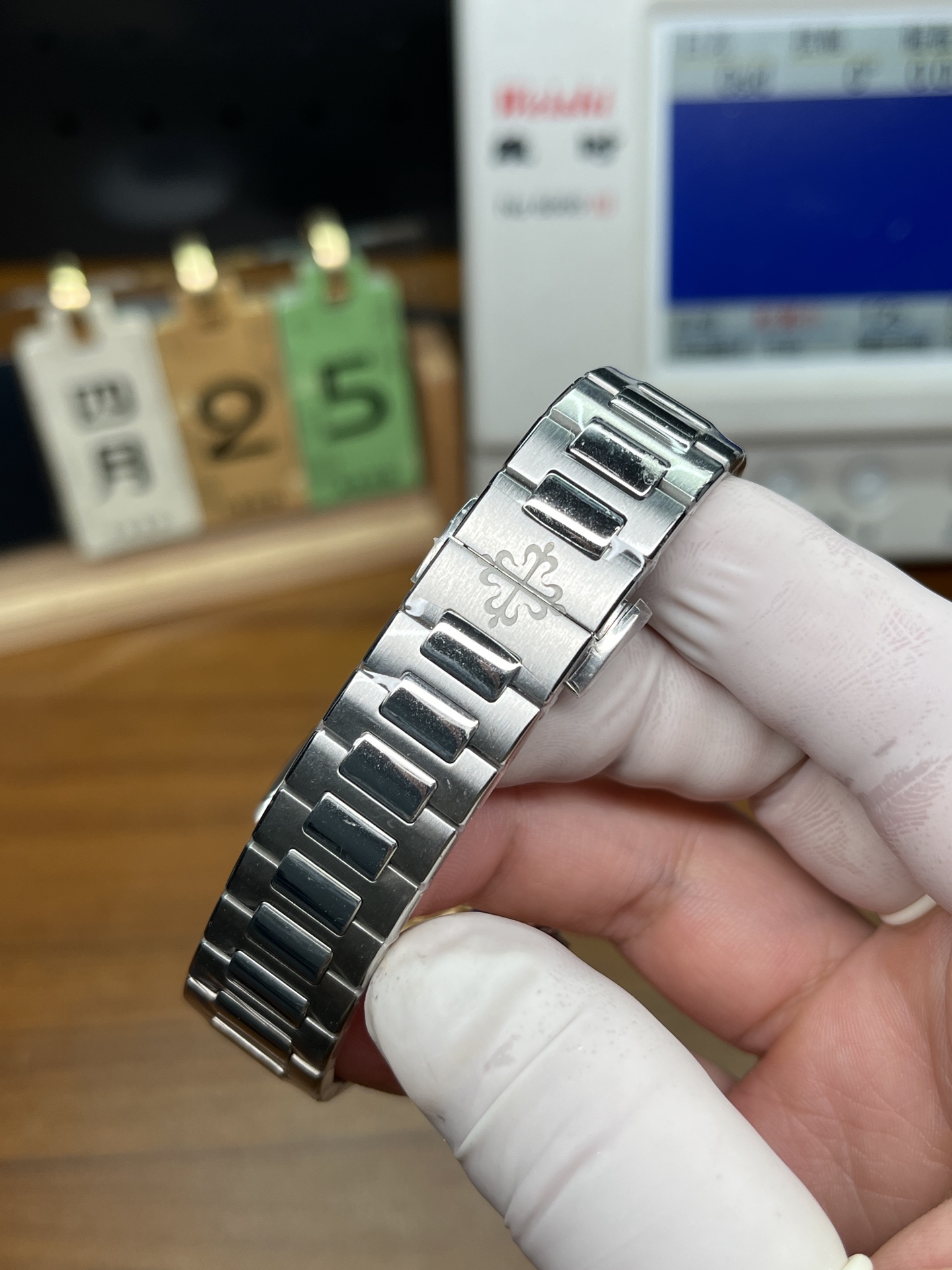
- Bracelet articulation
In my experience, a watch that passes the macro test can still fail the wrist test.
Why This Matters
Most buyers spend hours analyzing photos but zero time thinking about daily wear.
That’s why some watches feel disappointing despite looking perfect online.
Factory Comparison: Who Actually Makes the Better Replica?
Let’s talk about real differences between top factories producing Patek Philippe replica watches.
ZF Factory
- Strong dial accuracy
- Good case proportions
- Movement reliability is average
PPF Factory
- Excellent finishing
- Better bracelet feel
- Slight inconsistencies in movement alignment
3KF Factory
- Focus on upgraded movements
- Closer to 1:1 in internal layout
- Slightly higher price
So Which Should You Choose?
If your priority is visual accuracy, ZF is usually the safest choice.
If you want better tactile quality, PPF stands out.
If you’re specifically chasing a better 5078-style movement, 3KF is worth considering.
From what I’ve seen, there’s no “best” factory. It depends entirely on what you value.
Where to Buy and What to Expect
Buying from a trusted source matters more than most people realize.
I’ve personally had consistent experiences with replicafactory.is. Orders arrive as described, and quality control is noticeably better than random sellers.
That doesn’t mean every watch is perfect. But it reduces the risk of receiving a low-tier version disguised as a high-end replica.
What to Expect After Purchase
- Minor adjustments may be needed
- Timekeeping might vary slightly
- You’ll need to handle it with some care
This isn’t a throwaway watch, but it’s also not a genuine Patek.
Final Buying Advice Based on Experience
If you’re considering a Patek Philippe replica, here’s the honest takeaway:
- Don’t chase perfection
- Choose based on usage, not specs
- Stick to reputable factories and sellers
A good replica Patek Philippe can be very satisfying if you understand its limitations.
A bad one will remind you daily that you made the wrong choice.
FAQ
1. Is the 5078 movement a true 1:1 clone?
No. It mimics the structure visually but is not identical internally. It uses a modified base movement, so while it looks close, it doesn’t replicate the craftsmanship of the original.
2. How reliable is a Patek Philippe replica for daily wear?
In general, it’s reliable enough for casual daily use. However, it won’t match the durability of genuine luxury watches. Proper handling is important.
3. Which factory makes the best replica Patek Philippe watches?
There’s no single best. ZF, PPF, and 3KF all have strengths. Your choice should depend on whether you prioritize appearance, feel, or movement accuracy.
4. Is it worth paying extra for a better movement?
Not always. In many cases, the difference in daily use is minimal. Spending more only makes sense if you specifically care about internal aesthetics.
5. Can these watches be serviced?
Yes, but not all watchmakers will accept them. And sometimes, repair costs can approach the price of a new replica.
6. How close are these to the real Patek Philippe?
Visually, they can be very close, especially in photos. On the wrist, small differences become more noticeable.
7. What is the biggest mistake first-time buyers make?
Focusing too much on specs and not enough on real-world use. This often leads to disappointment after purchase.
8. Is a fake Patek Philippe worth buying?
It depends on expectations. If you want the look without paying the price and accept the trade-offs, it can be a worthwhile purchase.